
Here you will find the best model paint kits for cars, airplanes, plastic models, miniatures, Warhammer 40K, gunpla, etc., both to paint models with airbrush or with paint brush.
We have organized the information based on what paint to use for various plastic model types, such as model cars, airplanes, tanks or miniatures. This way you can easily find the product that is ideal for your needs.
If you are looking for model car paint, further down you will find a specific section for this, including acrylic and enamel paints.
You will also find the best model paint for Airplanes, as well as specific model paint kits for Tanks and Armoured Vehicles. We also have a specific section for model paint kits for miniatures and wargames.
This post is packed with information, so we recommend you to use the navigation menu to find your ideal model painting kit.
Keep in mind that some paints are specifically formulated for airbrush use (take a look at the airbrush model paints section), while others are more suited for paintbrush use. Again, use the menus and links in the article to find your way through.
At the end of the post we will also talk about the most important hobby paint types including acrylic, enamel, lacquers and oils.
The best-known brands for quality model paint are Vallejo, Tamiya, Testors, Revell, Humbrol, etc.
We will try to give you plenty of options for your model painting project.
Disclosure: This post may contain affiliate links. That means if you buy something we get a small commission at no extra cost to you (learn more). This allows us to keep this website alive.
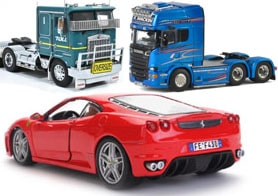
1. Model Paints Kits for Model Cars, Trucks, etc.
- Model paint kits for airbrush and paintbrush
- Acrylic, enamels and lacquers
- Vallejo, Tamiya, Testors, etc.
- Matte, Gloss and Metallic paints
- See the best model paint kits for model cars and trucks
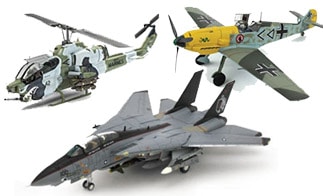
2. Model Paint Kits for Airplanes, Helicopters and other Aircraft
- Model paint kits for airbrush, paintbrush or spray
- Acrylic, enamels and lacquers
- Vallejo, Tamiya, Testors, etc.
- Real historic aircraft colors
- See the best model paint kits for airplanes
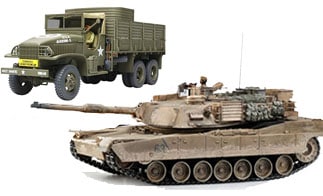
3. Model Paint Kits for Tanks and AFVs (Armoured Fighting Vehicles)
- Special paints for tanks and AFVs
- Paint sets for Weathering, Rust and Aging effects
- Real historic armoured vehicle colours
- See the best model paint kits for Tanks & AFVs
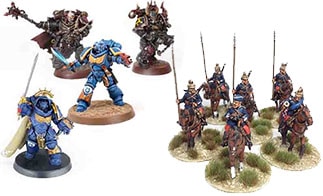
4. Model Paint Sets for Miniatures & Wargames
- For Fantasy figures or Historical armies
- For brush-on and for airbrush
- Paint kits for painting special effects on miniatures
- Paints for Warhammer 40.000, Age of Sigmar, Infinity, gunpla, etc.
- See the best model paint kits for Miniatures & Wargames
IN THIS ARTICLE:
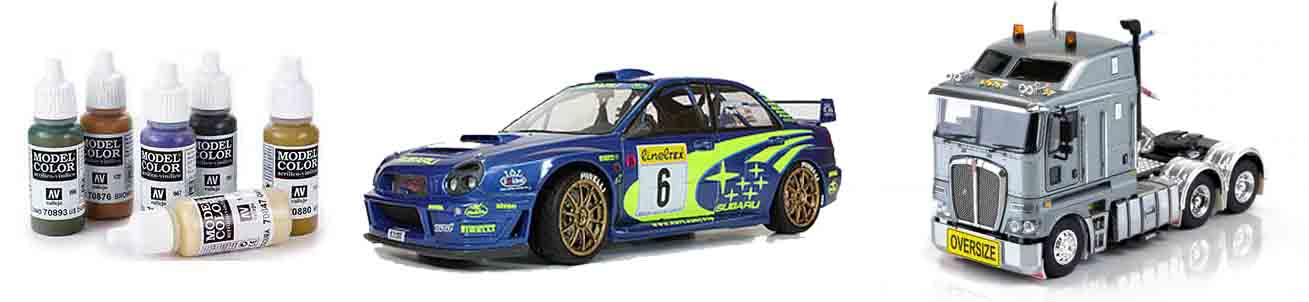
The first thing you need to ask yourself when choosing your model paint kit for your model car or truck project is, are you going to paint with airbrush or with paintbrush?
There are some paints specially formulated for airbrush use while others are better suited for paintbrush application.

If you are going to paint model cars with airbrush (or trucks) then you probably want to try acrylic paints specifically formulated for airbrush use. Acrylics are one of the easiest to use and clean because they are water-based. Modern acrylic paints have great coverage and performance.
Here is our recommendation:

Vallejo Model Air: Acrylic model paints for airbrush
The Best Acrylic model paints to use with an airbrush
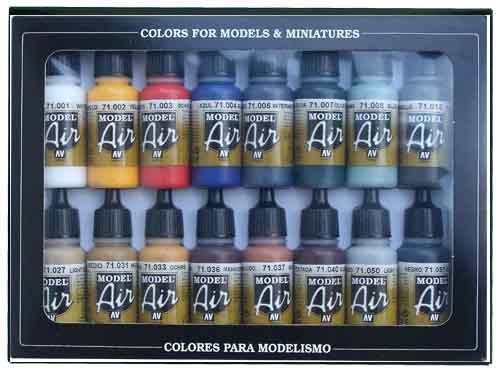
[ Vallejo Model Air paints - click to Choose Your Colors ]
Vallejo Model Air are acrylic paints specially designed for airbrush use (although they can also be used with a brush for specific areas or details). Make sure to use a surface primer as a base coat.
Vallejo Model Air paints usually come in sets of 8 or 16 paints and they have an impressive colour range. They come in 17ml bottles with an eyedropper, which is convenient for loading your airbrush paint cup.
Want to treat yourself? (Or make a modeller happy 🙂 ) This Vallejo Model Air Basic Box Set with 72 paints in a carry case includes pretty much all the paints you will ever need.
Now, while Vallejo Model Air is the go-to choice for many modellers, it is not necessarily the only option. Other reputable brands like Tamiya and Testors also have paints that you can use to paint plastic models with an airbrush. We talk about this further down (scroll down to the section about Tamiya paints).
If you want to know which colours to choose, here you can choose your colour box option for these paints.
Btw, if you are planning to buy an airbrush we highly recommend that you check out this post first:

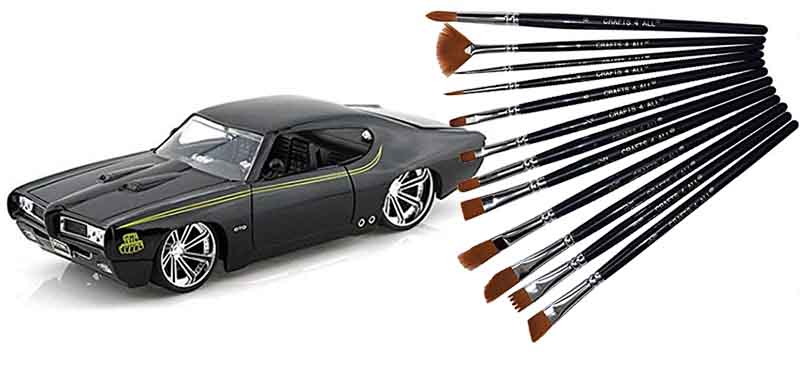
If you are planning to use a paintbrush to paint your model cars or trucks, then again we recommend you go for acrylic paints as the first option, as their water-based formula makes them easier to handle than solvent-based paints. Now in this case, they are paints specifically formulated for paintbrush application.
Here is our recommendation:
Vallejo Model Color: Acrylic model paints for Paintbrush application
The Best Acrylic model paints for painting with a paintbrush
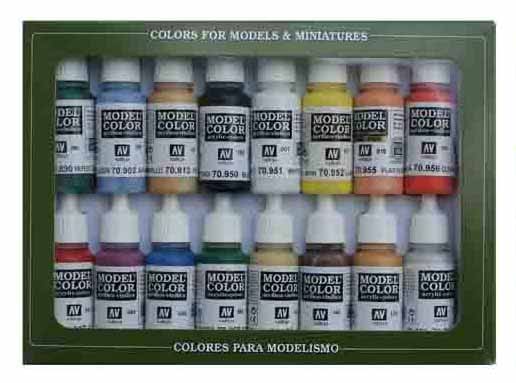
[ Vallejo Model Color paints - click to Choose Your Colors ]
Vallejo Model Color is a range of acrylic paints specially designed for hobby model kits, including plastic models, resin models, steel and white metal. They are water-soluble and are geared towards paintbrush application. Again, use a surface primer as a base coat and then apply the colour on top.
►►Vallejo Model Color: See all available colour boxes.
Vallejo Model Color paints are excellent in terms of the impressive colour range, as you have tons of colours to choose from, including opaque, transparent glazes and even fluorescent colours for special effects.
These paints are excellent in terms of coverage, drying time and opacity. They come in 17ml bottles with an eyedropper.
Again, with Vallejo Model Color you can also get the impressive 72 paints kit in a carry case. This comes either in a standard design or in a badass military colors package, worth checking out.
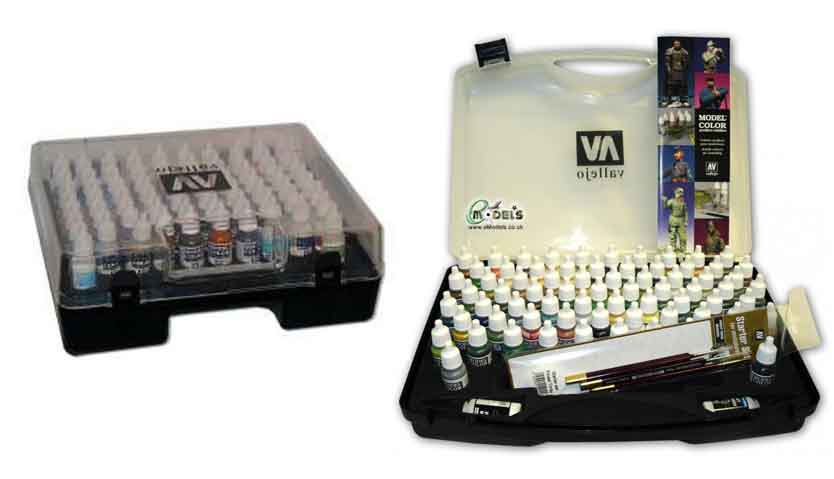
[ Basic 72 Colors Kit - click to see on Amazon ]
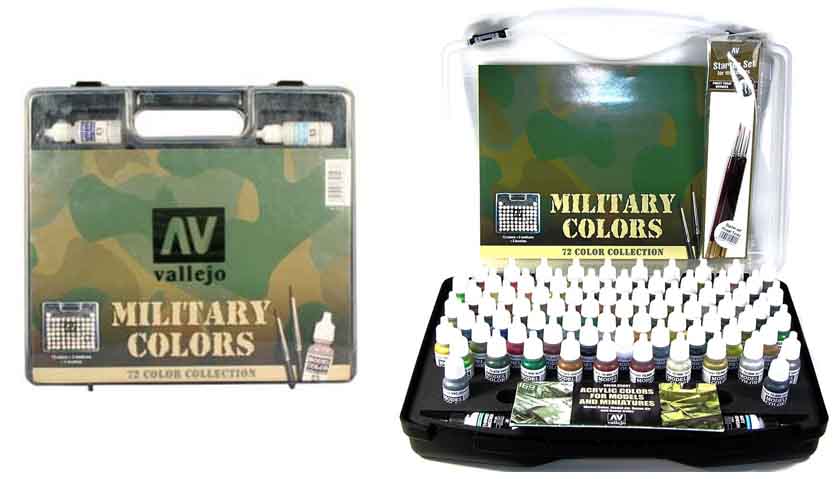
[ 72 Military Colors Set - click to see on Amazon ]
Before buying Vallejo Model Color paints, choose your colour box here: ►►Vallejo Model Color: Choose your colour box from these options.
Other options/alternatives:
Other reputable brands like Tamiya and Testors also have quality paints that you can use to paint plastic/resin/metal models with. Tamiya in particular has both acrylic and enamel paints (their X-XF series) as well as lacquer (their LP series). Further down in this post we explain everything you need to know about Tamiya X-XF model paints (and which solvent they work with).
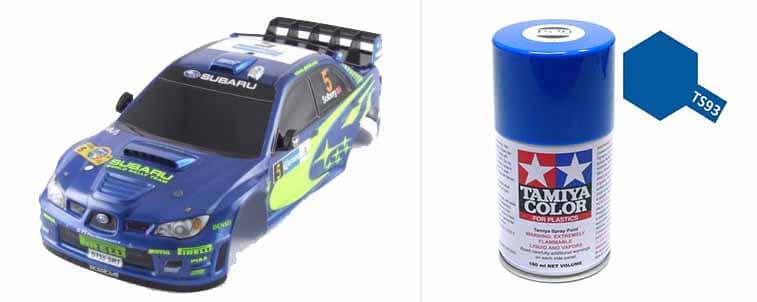
To paint RC bodies, model cars or any other large surface with spray paint, use Tamiya TS series synthetic lacquer.
Tamiya TS series comes in 100ml spray cans and is especially appropriate for large surface coverage. Tamiya claims that a 100ml container of their TS series lacquer can cover three 1/24 scale model cars. Read this for all the info about Tamiya TS series synthetic lacquer.
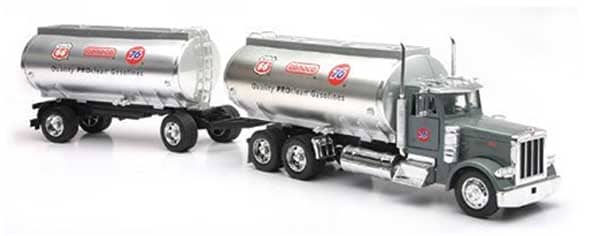
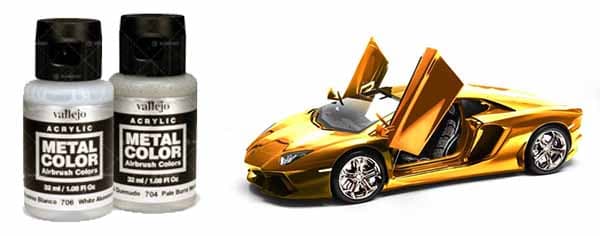
For metallic finishes, use Vallejo Metal Color. This paint is specially designed for metallic effects including silver, chrome, alluminium, copper, steel, burnt metal...
Further down you will find everything you need to know about Vallejo Metal colors, how to use them, available metal colors, what primer to use and where to buy them.
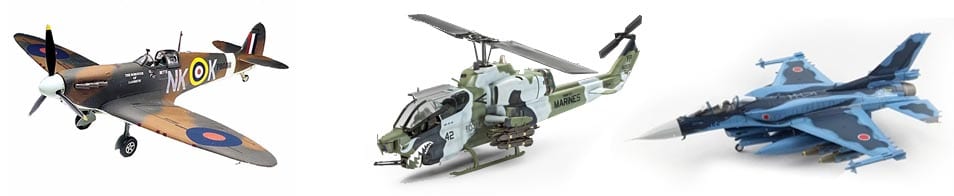
The first thing you need to decide when choosing a paint kit for your model airplane (or helicopter, or any other aircraft), is whether you are going to paint with an airbrush or with a paintbrush.
Let's start with the airbrush ones.
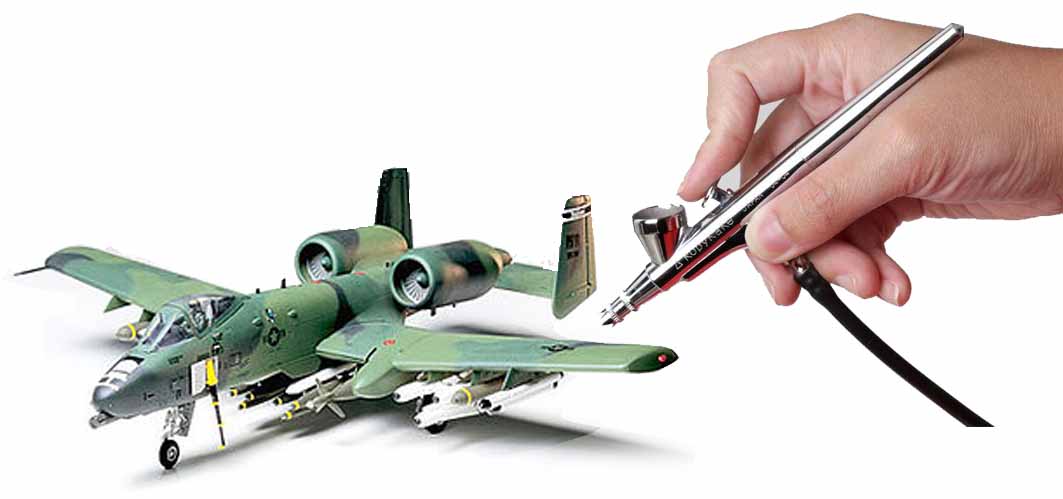
If you are going to paint model airplanes with an airbrush, I would say your first choice would be acrylic paints specifically formulated for airbrush use. Acrylics are one of the easiest paints to use because they are water-based, rather than solvent-based. Modern acrylic paints have great pigment density and provide excellent results.
Here is our recommendation:
Vallejo Model Air - Air War Series - Acrylic model paints for airbrush
Acrylic model paints with real aircraft colors, for airbrushing model airplanes
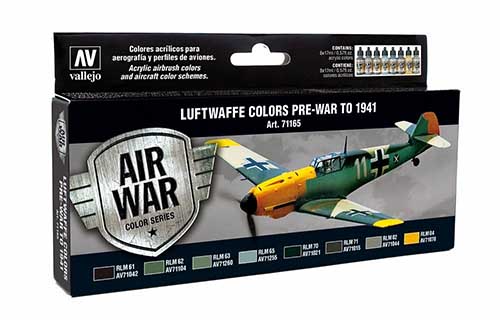
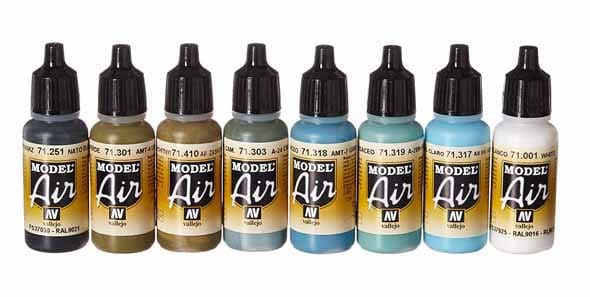
[ Air War Series paints - click to Choose Your Colors ]
The Air War Series is a sub-set of Vallejo Model Air acrylic paints. They are specially designed for airbrush use (although they also work with a paint brush for specific areas or details). The colors are real historic aircraft colors for your airplane.
To airbrush airplane models, one of the best options out there is the Air War Colors series. These are paint kits with 8 colors in each box, specifically designed for painting model aircraft.
The paint is really good quality, the consistency is tuned specifically for airbrush use, it flows well and it won't jam your airbrush.
The colors are real historical colors, you just choose the type of airplane you want to paint and you get the exact colors you need in order to paint the base colors plus the camouflage patterns.
Each bottle comes with an eyedropper, which is convenient for loading your airbrush paint cup easily.
If you are ready to buy these model paints, your next step is to ►►choose your colour box option for these paints.
Other options/alternatives:
You can also use Tamiya paints for painting model airplanes. Tamiya has a range of acrylic and enamel paints such as their X-XF series which you can use with airbrush or with paint brush, as well as lacquer paints (Tamiya LP series). If you are interested in Tamiya paints, read everything you need to know about Tamiya model paints (and which solvent they work with).
And remember, if you are thinking of buying an airbrush check out this post first:
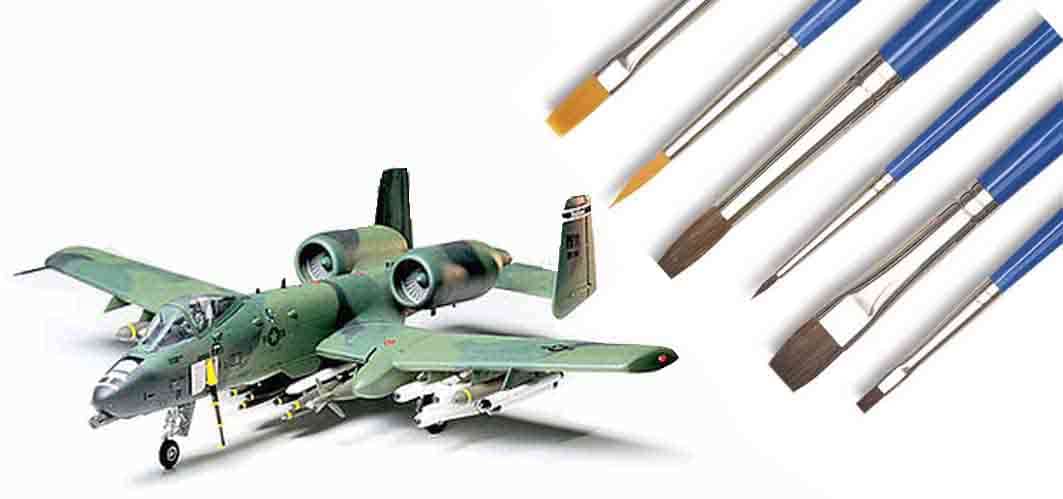
So you are looking for a paint kit that you can use with a paintbrush for your model airplanes?
This is our recommendation:
Vallejo Model Color: paints for Brush-on application
Acrylic model paints for painting airplane models with a brush
[ Vallejo Model Color paints - click to Choose Your Colors ]
As mentioned earlier, Vallejo Model Color are acrylic paints for hobby model kits (plastic models, resin, steel and white metal models). They are water-based and are intended for paintbrush application. As mentioned before, using a surface primer as a base coat is recommended.
The paint quality is pretty high and the colour range is impressive (you get tons of colours to choose from). You have opaque, transparent glazes and even fluorescent paints in case you want to do some special effects.
These paints have excellent coverage and fast drying time. They can be diluted with water.
If you want to go all-in with these paints, get the huge 72 paints kit in a carry case. You choose between the standard design or a badass military colors package.
[ Basic 72 Colors Pack - click to see on Amazon ]
[ Military Colors Pack - click to see on Amazon ]
Before getting Vallejo Model Color paints, use the link below to choose your colour set and box size:
►►Vallejo Model Color paints: Choose your colour box from these options.
Other options/alternatives:
If you don't like Vallejo Model Color paints for some reason, you can also use Air War Series paints, which are specific for model airplanes. The difference is that Vallejo Model Color paints are designed for paintbrush use, whereas the Air War Series are designed primarily for airbrush, BUT they can also be used with paintbrush (as specified by the manufacturer), so there you go. Here you can read about Air War Series paints and why they are awesome for painting aircraft models.
If you don't want acrylics for some reason, and you prefer say enamels, then look at Tamiya X-XF series, but remember these are solvent-based.
If you like acrylics but you don't like Vallejo, then get Tamiya acrylics, but bear in mind Tamiya acrylic paints need a specific solvent (whereas Vallejo's acrylics can be diluted with water).
This is explained in everything you need to know about Tamiya model paints (and which solvent they work with).
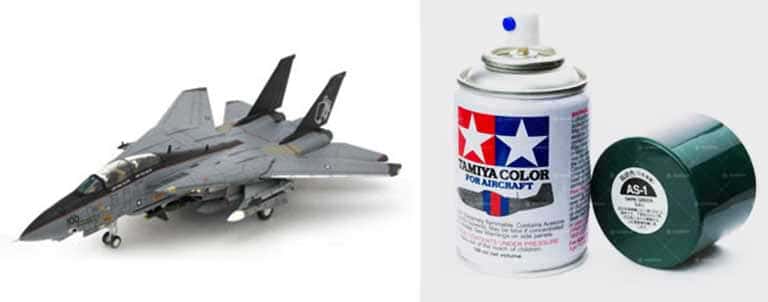
If you are looking for a spray paint for painting model airplanes, then have a look at Tamiya AS series. The AS series is a range of synthetic lacquers in spray can format that Tamiya designed specifically for painting airplanes.
Tamiya AS series lacquers provides a gloss or semi-gloss finish, with a clean and professional look. You can use it to create a uniform base color with a very realistic and professional finish.
Read more about Tamiya AS series synthetic lacquer for model airplanes.
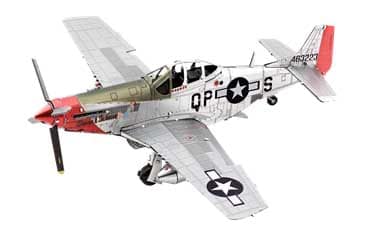
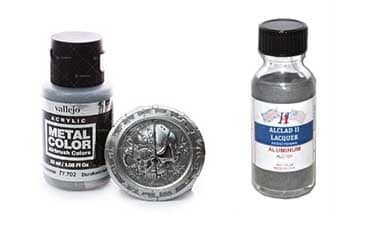
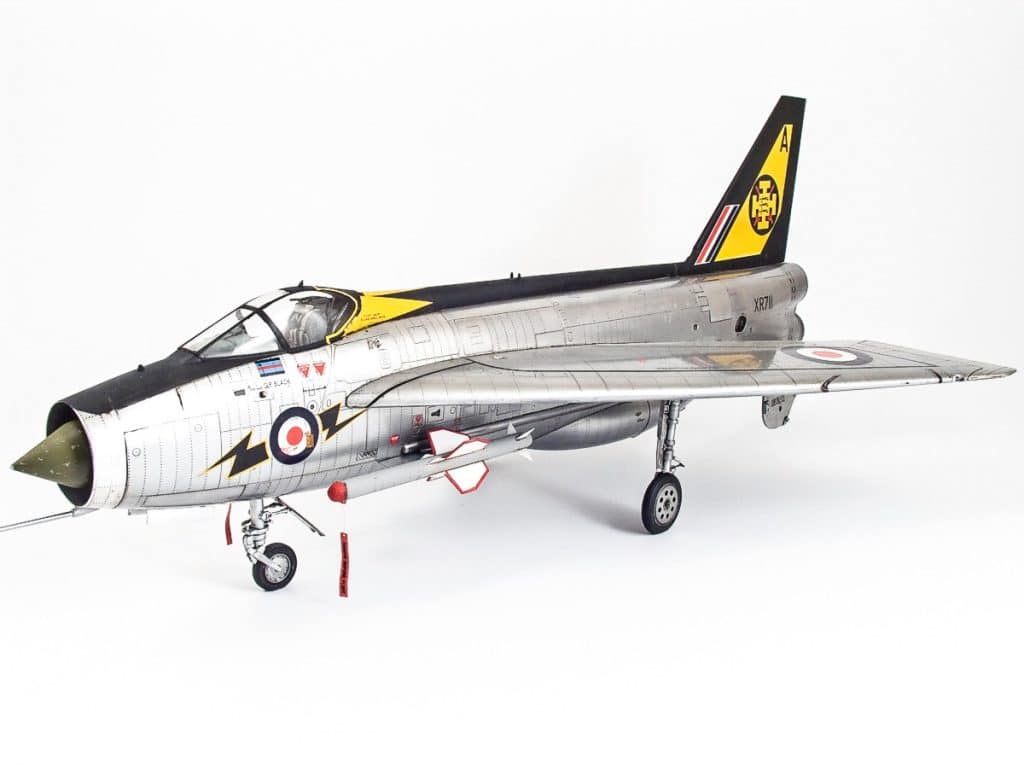
For metallic finishes and details, use Vallejo Metal Color or Alclad II lacquer. Both of these paints are specific for metallic effects to simulate alluminium, chrome, silver, steel, burnt metal and the like on your airplane models.
Vallejo Metal Color is acrylic, water-soluble paint, and therefore very easy to use and to get good results with.
On the other hand Alclad II is a lacquer and is solvent-based, hence not as straight forward to work with. While Alclad II lacquers can produce a good metallic effect, you will need to take certain things into consideration such as proper ventilation during use, using an appropriate solvent, and using a solvent-resistant airbrush with PTFE seals (see our post on airbrushes for modelling for an explanation on this).
Further down in this article you can read everything you need to know about Vallejo Metal color paints, how to use them, all available metallic colors, what primer to use with them and where to buy them.
The first thing you need to decide when choosing a paint kit for your model airplane (or helicopter, or any other aircraft), is whether you are going to paint with an airbrush or with a paintbrush.
Let's start with the airbrush ones.
If you are going to paint model airplanes with an airbrush, I would say your first choice would be acrylic paints specifically formulated for airbrush use. Acrylics are one of the easiest paints to use because they are water-based, rather than solvent-based. Modern acrylic paints have great pigment density and provide excellent results.
Here is our recommendation:
Vallejo Model Air - AFV painting system - Acrylic model paints for Tanks (for Airbrush)
Acrylic model paints for airbrushing model Tanks and AFVs
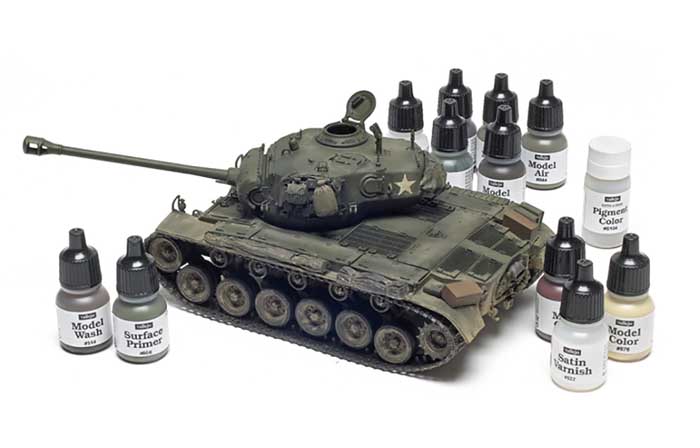
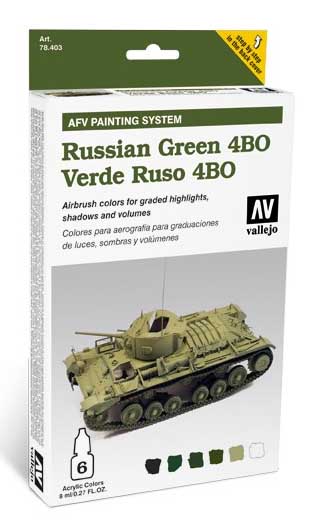
[ AFV painting system for Tanks - click to Choose Your Colors ]
For painting scale models of tanks and AFVs with airbrush, the choice is rather clear... Vallejo AFV painting system. These are sets of airbrush paints specifically designed for painting tanks.
Vallejo AFV paints (AFV stands for Armoured Fighting Vehicles) are specific for tank models. They are part of Vallejo Model Air range of acrylic airbrush paints. These are high quality paint with good coverage, durable and easy to use.
With these paints, you start by choosing a set of six base colour paints based on the type of tank you want to paint. Click here to see all the base color paint sets and choose the one for your tank.
On top of that, you have the choice to apply a camouflage paint set. Click here to see all the camouflage boxes available.
Additionally. as a final layer you can apply the weathering paint set which includes special washes to create weathering effects. Click here to see the weathering paint sets for your tank.
And remember, if you are planning to buy an airbrush for modelling check out this post first:
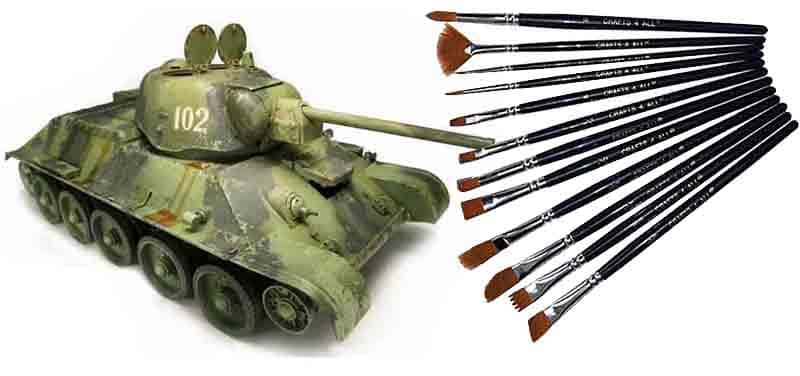
So you are looking to paint your model tanks with a brush?
Then, this is our recommendation:
Vallejo Model Color and War Games Series: paint sets for Brush-on application
Acrylic model paints to paint your Tank models with a brush
[ Vallejo Model Color paints - click to choose your colors ]
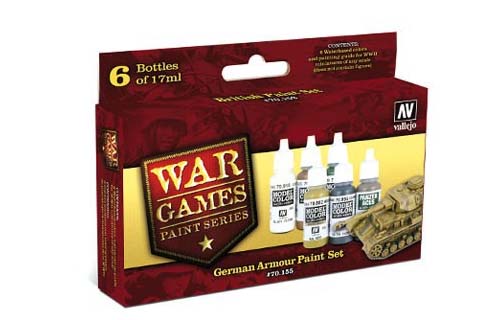
[ War Games Series - click to choose your colors ]
If you are going to use a paint brush, then your first stop should be Vallejo Model Color, and additionally the War Games Series which has some cool paint kits for tanks.
Vallejo Model Color are high quality acrylic, water-based, fast-drying paints for paintbrush use. They offer great surface coverage, high pigment density, they are durable and they have an amazing colour range.
You can get the standard Vallejo Model Color box (in packs of 8, 16 or even 72 colors). Choose your color combination and box size here.
Within Vallejo Model Color range you also have the War Games Series, which has boxes specific for Vehicles, Allied/German Armour, etc.
Other options/alternatives:
If you prefer to use enamel paints rather than acrylics, then try Tamiya X-XF series, but remember these are solvent-based.
If you are ok with acrylics but you don't want to use Vallejo, then have a look at Tamiya acrylics, but take into account that with Tamiya acrylic paints you will need to use a specific solvent (whereas Vallejo's acrylics can be diluted with water).
This is explained in everything you need to know about Tamiya model paints (and what solvent to use).
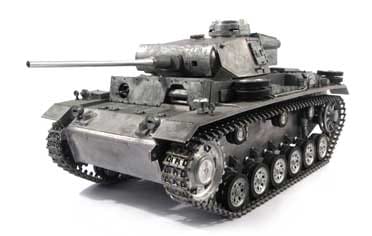
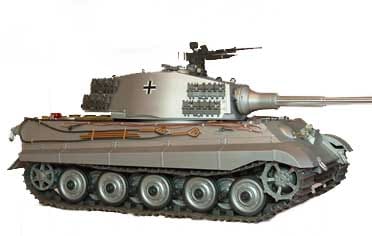
For metallic effects, you can use Vallejo Metal Color or Alclad II lacquer. Both of them are designed to simulate metallic effects like alluminium, chrome, silver, steel, burnt metal and the like.
Vallejo Metal Color is acrylic, water-soluble paint, and therefore easy to thin down, easy to clean and less toxic.
Alclad II lacquer is solvent-based, so you will need to use an appropriate solvent and an airbrush with solvent-resistant PTFE seals. Also, remember to use proper ventilation while using these.
Further down you can read everything you need to know about Vallejo Metal color paints, how to use them most effectively, all available metallic colors, how to dilute them, what primer to use with them and where to buy them.
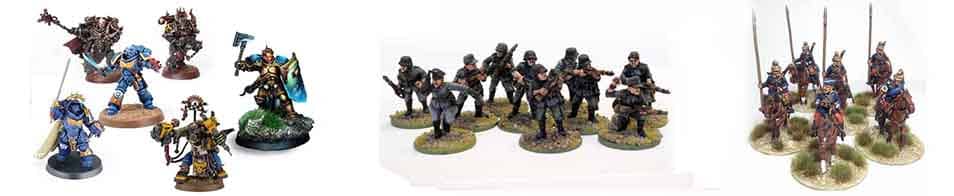
First of all, the choice of paint here will depend on the type of miniatures that you are going to paint. Basically there are two main types of miniatures: FANTASY figures and HISTORICAL miniatures.
Fantasy figures include Warhammer, Warhammer 40.000, Age of Sigmar, Infinity, Gunpla, etc. Historical miniatures means realistic armies from World War II, Middle Ages, and the like.
Generally speaking, for fantasy figures you will want paints with brighter colours and special effects, whereas for historical miniatures you will want to find paints with realistic historical colour schemes.
It also depends on whether you are going to paint with an airbrush or with a paint brush.
Let's start with the airbrush paints for miniatures.
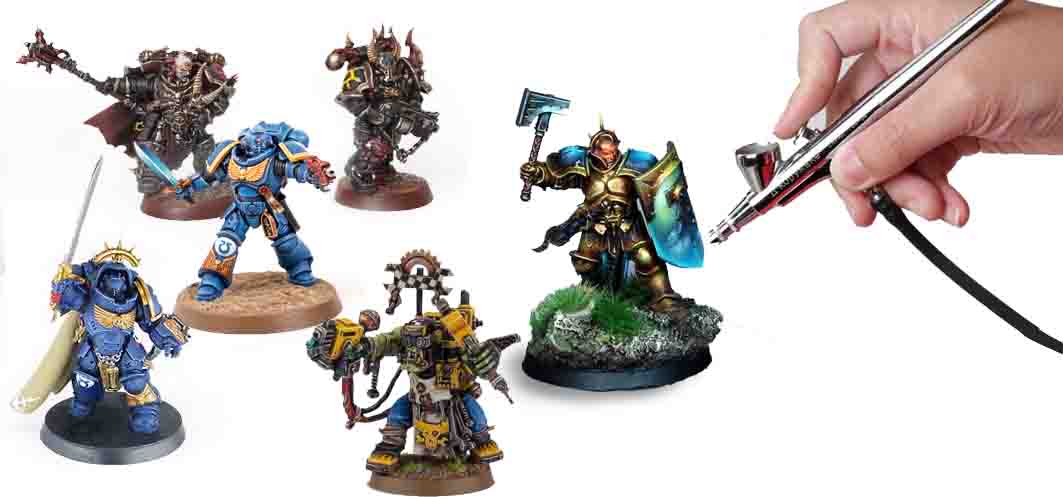
As mentioned before, the choice of paint will be slightly different depending on whether you are going to paint FANTASY miniatures or HISTORICAL miniatures.
Here is our recommendation of paint FOR FANTASY MINIATURES:
To Paint Fantasy Miniatures with Airbrush: Vallejo Game Air (for Airbrush)
Acrylic model paints for airbrushing Fantasy Miniatures (Warhammer, Infinity, Gunpla, etc)
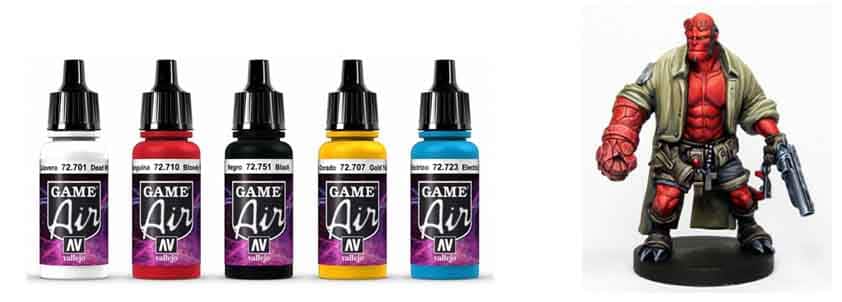
[ Game Air paints - click to choose your colours ]
Vallejo Game Air is a range of airbrush paints specifically designed for Fantasy Miniatures. The colors are bright and vivid and there is tons of special effects boxes to create impressive looks in your army, whether you are painting space marines, goblins, an army of zombies, mechs or dragons.
These paints have a great colour range to choose from. They are easy to use because they are acrylic water-based paints. They have excellent coverage and are durable. Using a primer is recommended.
On top of that, you have plenty of "special effects" boxes to add special touches.
These paints come in boxes of 8 or 16 (there is also a 72-pack which basically has all paints you will ever need).
Click here to find the right colour box for your specific miniatures.
Other options/alternatives:
Another option is Citadel Air. That's the airbrush version of the typical Citadel paints, which are also for fantasy miniatures and Warhammer. You may find they are more expensive, though.
And remember, if you are planning to buy an airbrush for painting miniatures, read this post first:
To Paint Historical Miniatures and Wargames with Airbrush: Vallejo Model Air (for Airbrush)
Acrylic model paints for airbrushing Miniatures and Wargames
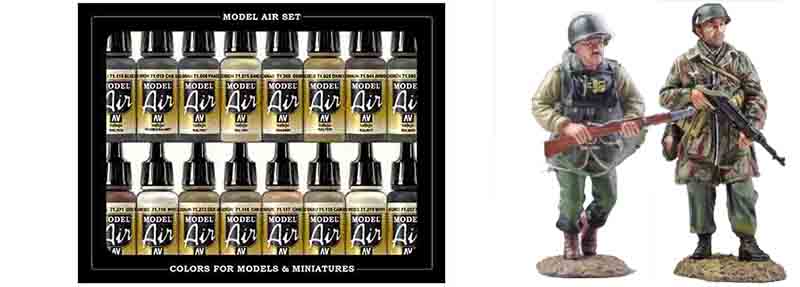
[ Vallejo Model Air - click to Choose Your Colors ]
Vallejo Model Air paints are a good choice to paint historical miniatures and wargames with airbrush.
These are great for painting historical miniatures, World War II, medieval armies and so on.
The colour range is astonishing. And again, since they are acrylic, they are water-soluble and easy to use and clean.
Choose your colours and box size here.
Other options/alternatives:
Really this is the best option for historical miniatures and Wargames.
If you want to try other brands you can try Citadel Air, but those are not as specific for historical miniatures, they are more suited for fantasy armies, and they don't have the same realistic historical colours as Vallejo Model Air paints.
And remember, if you are planning to buy an airbrush for painting miniatures, read this post first:
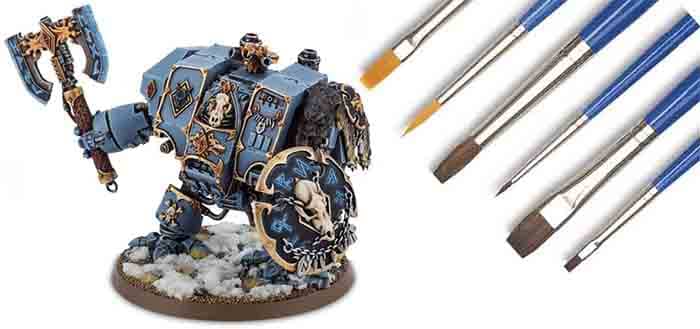
So you are planning to paint your minis with a brush? Good. Then, again we will split our recommendation in two. For those who are painting Fantasy miniatures and for those who are going to be painting Historical
So, this is our recommendation FOR FANTASY MINIATURES:
Paint sets for Fantasy Miniatures: Vallejo Game Color (For Brush)
Acrylic model paints to paint your Fantasy models with a brush
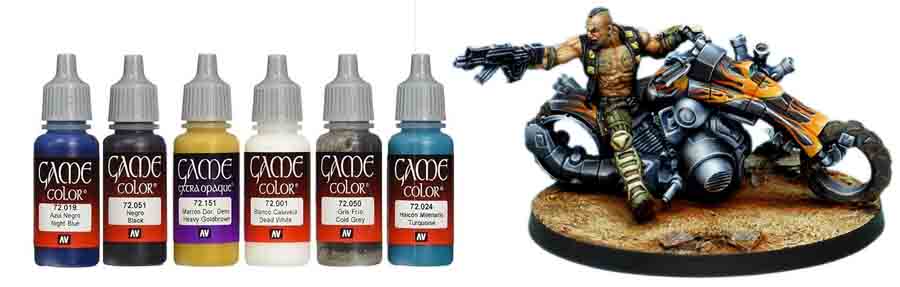
[ Vallejo Game Color - click to Choose Your Colors ]
These paints are specific for fantasy miniatures such as Warhammer, Infinity, Gunpla, etc. They are intended for brush use.
Game Color paints are specifically designed for fantasy miniatures and armies. They are formulated for Brush use, rather than airbrush. The colour range is impressive, the colors are vivid and bright. The paint is durable and high quality.
This is what many pros use. Professional miniature painters are using these paints to achieve professional level results (the kind of painted models you see on magazines and in game books).
Other options/alternatives:
As an alternative, Citadel paints are also a classic for painting fantasy miniatures. They are controversial in many respects, in particular there is some debate regarding whether they are overpriced or not. But they can also produce good results. Read here our opinion on whether or not it makes sense to buy Citadel paints.
Finally, there is The Army Painter. This is an army painting system worth checking out. The Army Painter is well known for allowing you to paint huge armies in record time.
Paint sets for Wargames & Historical Miniatures: Vallejo Model Color and the War Games Series
Acrylic model paints to achieve a realistic look on your Historical miniatures and Wargame models with a brush
[ Vallejo Model Color paints - click to Choose Your Colors ]
[ War Games Series - click to Choose Your Colors ]
As discussed previously, Model Color paints are great for historical miniatures and wargames, for brush application. Things like World War II, medieval armies, dioramas, etc. They even have a range of colours for Roman Empire miniatures, if you are into that...
These paints are specially suited for historical miniatures. The paint set colors have been designed to allow you to paint specific armies like World War II Allied or German forces, medieval armies, etc.
Another plus is that there are lots of special boxes available for things like faces, wood and leather, rust and chipping effects, etc. See all available Model Color paint sets here and choose your kit.
Other options/alternatives:
If you are going to paint wargames miniatures, Vallejo Model Color is definitely the best option. However if you want to use something else, then you can try something like Citadel paints. We wouldn't really recommend The Army Painter for historical miniatures if you want to achieve some realism, as The Army Painter is more geared towards painting Fantasy armies quickly.
The most important types of hobby paints for scale model kit building are the following:
Lacquers

Synthetic lacquer is a type of paint based on a fairly strong solvent with high adherence power, which is often used to provide the base coats when painting models.
It is considered as one of the best paints for high gloss finishes, and it is commonly used in model cars in order to replicate the effect of the metallic paint on cars.
Its disadvantage is that, because of its strong solvent base, it cannot be lightly applied on any surface. You can not apply lacquer on top of other paints such as acrylics and enamels, as it will dissolve through them. Therefore, lacquer is often used as the base coat. Yes, you can paint with enamels and acrylics on top of lacquer, but not vice versa. (see the table below)
Lacquer paint usually comes in spray cans, as is the case with Tamiya’s TS and AS synthetic lacquer paints, as they are commonly used to lay the base color for large areas, such as model cars, RC car bodies or a aircraft.Enamels

Enamels have been for a long time the most used type of paint in scale model kit building, until the acrylic paints began to gain traction. They have an oil base and therefore require the use of solvents to dilute them.
The key strength of enamel paints is its high surface covering power. The downside is that they take a rather long time to dry, especially when compared with acrylic paints. After applying an enamel paint coat, it can take about 6 hours for it to be fairly dry, and if we want to apply another coat of paint on top we must wait at least 24 hours.
Enamels cannot be mixed with acrylic paints, although you can paint with acrylic on top of dry enamel, but NOT vice versa. (see the table below)
Acrylic paints

Acrylic paints are the most commonly used in model building to paint with airbrush, since they dilute well, are easy to work with and model paint manufacturers are increasingly adding acrylic paints for airbrush to their product offerings.
The key advantages of acrylic paints are:
- They are water-based (rather than oil-based), so they can be thinned down with distilled water or alcohol, besides the specific thinners of each brand. Thinners for acrylic paints are much less corrosive and toxic than enamel solvents.
- They dry faster. They can be dry to the touch in 20-30 minutes and completely dry within an hour. To apply a second coast, simply wait 8 hours. Much less than with enamels.
A coat of primer is usually applied before painting with acrylic paint.
Oil Paints

They use an oil base, so they can be mixed with enamels, and they are always applied with a brush because if they are used with an airbrush they can clog it. These are primarily used for advanced finish purposes, so we will not go into much detail here with respect to this kind of paint.
It is not necessary that you use all types of paint for a given modelling project. Just choose the ones that are more fit for your model needs. For example, for a model car you may use just acrylic paint or just lacquer, but if you were going to use more than one type of paint you should follow the correct application order as described below. In the following chart you can see what type of paint can be applied on top of other types of paint, as a general rule:
Possible combinations of paint types for model building | ||||
|---|---|---|---|---|
Top coat | ||||
Acrylic | Enamel | Lacquer | ||
Lower coat | Acrylic | OK | No | No |
Enamel | OK | OK | No | |
Lacquer | OK | OK | OK | |
- For example, if you use lacquer, enamel and acrylic on a model, you should apply the laquer first, then the enamel and finally the acrylic.
- Or, if you were to use only enamel and acrylic, the order would be first the enamel, and then the acrylic.
Some of the most reputable brands of airbrush model paints are Vallejo, Tamiya, Revell, Testors and Createx, among others.
Here we are going to talk mostly about acrylic model paints. A great advantage of this type of paints is their fast drying time. In about 20-30 minutes they are dry to the touch, in about 1 hour they are completely dry, and in 6 to 8 hours a new coat of paint can be applied. This makes the painting process faster which means you can finish one model faster or paint more models in the same amount of time.
Acrylic paints are less toxic than enamels and they do not have a strong smell. In addition, acrylic paints on brushes and airbrush are easier to clean, since they can be cleaned with water.

Vallejo Model Air airbrush model paint kits are widely used to paint models with airbrush, radio control cars, miniatures, dioramas or any other hobby project. Colors can be mixed with each other and they will dry very fast. For optimal adherence of the paint, it is recommended to apply a primer coat first.
These model paints kits contain 8, 16 or 72 paint bottles (you can also get boxes of 10 with an airbrush included). Each bottle contains 17ml of paint and comes with an eyedropper, which is very useful to load your airbrush paint cup. They leave a pretty good surface texture when covering large surfaces and also for going over details. The finish can be matte and opaque, transparent or metallic.
Transparent colors, when applied on top of opaque colors, can produce spectacular special effects for highlights, reflected lights, tinted glasses on cars and aircraft, etc.
Mistakes can be easily corrected with water or alcohol, and paint over the repaired area again. Once the paint has dried, it is resistant, durable and waterproof.
Additional resources:
►Instructions of use for Vallejo Model Air paints and color chart.
► Vallejo Model Air 8-color paint sets
These are 8 color paint kits. You get to choose between basic colors and metallic colors.


► Vallejo Model Air 16-color paint sets

16-color paint kits are cheaper (in proportion) than 8-color boxes. Additionally, they have a wider color range for model cars, aircraft and tanks.
You can choose between all these color options for the 16-color paint kits:


► Vallejo Model Air 10-color paint kits with airbrush included
These model paint kits contain 10 Vallejo Model Air acrylic colors plus a Harder & Steenbeck Ultra airbrush.
These paint kits are a pretty good deal considering that the airbrush alone can cost around 70$, which makes the whole paint kit with paints included worth the investment, if you don't have an airbrush yet.
As a reminder, if you are planning to buy an airbrush for models or miniatures check out this post first:


► Vallejo Model Air 72 color carry case
All we can say is... Best gift ever for any model kit building fan!
This paint kit includes 72 Model Air paints, plus some brushes, plus a carry case to keep your paints neatly organized. The carry case box allows you to have your paints always tidy in your workspace. Pretty cool.

►Air War Color Series - model paints for Aircraft

Air War Colors series are a range of paints within Vallejo Model Air airbrush model paints. These are sets of 8 colors specifically designed to paint aircraft as realistic as possible, based on official colors used in real historical aircraft models, past and present. Each set includes the colors of the aircraft and camouflage patterns.
Air War Colors are acrylic, matte, water-based colors, specifically developed for airbrushing, but they are versatile enough so you can also use them to paint details with a brush.
According to the manufacturer they are formulated with new generation resins, which makes them have properties that traditionally have not been available in water-based paints. They are pretty durable and they provide good surface coverage.
With these paints you can also do washes and transparent effects by simply thinning the paints down with water. Easy. All colors and varnishes can be mixed between them with Vallejo Airbrush Thinner.

Here you can see the full color range of Air War Colors. As you can see the color range is absolutely impressive, and all colors are real historical colors for each aircraft. Choose the colors for your model airplane:


►AFV Painting System - Paint kits for model Tanks and Armored Vehicles
AFV stands for "Armored Fighting Vehicle". Hence the AFV Painting System is Vallejo’s range of paint kits to paint tanks and the like.
This AFV painting system basically consists of the successive application of several paint coats, such as base colours, then camouflage, then weathering and aging effects. This method helps you achieve realistic looks on your model tanks, with realistic lighting effects, shadows, contrast and volume effects on your model.
Each paint kit contains 6 bottles of 8ml with a dropper cap. Of these 6 bottles, 5 are colors (or 4 colors, and a primer) and one is a varnish for the final coat. The colors are real colors based on actual historical tank models.
These colors are often used together with the weathering and aging set, which we talk about further down.
Useful resources for modellers:
►Official tutorials to get awesome results on your model tanks and a list of historical color references for WWII and modern aircraft and AFVs based on official documentation.
See also:
So, you just have to choose the colour set for your vehicle from the following paint kits:


► To paint Weathering and Aging Effects in Tanks: AFV Weathering and Aging set, Vallejo Model Air

Vallejo’s AFV aging system is a set of model paints designed to produce aging and weathering effects on tanks and other armored vehicles.
Each set includes seven 8ml bottles, of which 6 bottles are colors and one bottle is a pigment fixer to keep the colors well fixed on the surface of the model.
You have 2 color options to choose from:


Additionally, you also have the choice to go for some special boxes for rust and chipping effects:

► Vallejo Model Air AFV camouflage colors for Tanks

To paint camouflage, Vallejo AFV camouflage colors. These paint kits are specially designed to paint camouflage effects and are inspired in the colors of the armored vehicles used in North Africa during 2nd World War. Each pack includes a primer, several base tones and highlights, and a Matte Varnish.
These are the AFV system camouflage color sets to choose from:


Additionally, you can choose special boxes prepared for camouflage effects with colors based on historical armies such as:


Metal Color is a range of water-based metallic colors. These paints use aluminum pigments with a special formula that gives them high strength and adherence to plastic and metal models.
Metal Color paints can be applied directly on the model with or without priming, although it is recommended to use a primer in the case of fuselage and aircraft components. In these cases, it is recommended to apply a Glossy Black primer to create a realistic effect to aluminum parts.
The Metal Color range consists of 19 references which come in 32ml bottles.
Here you can see the complete color chart for Vallejo Metal Colors, and a useful tutorial to get the best results with Metal Color paints.
How to use Metal Color paints: Shake well before use. Place the paint directly into the airbrush without diluting or previously diluted with some airbrush thinner such as Vallejo Airbrush Thinner 71161. Colors can be mixed in the airbrush paint cup to achieve mixtures and mid-tones. Metal Color dries almost instantly on the model, so you can immediately apply other colors or aging processes such as washes, pigments, dry brush techniques, etc. However, a prudent time of 1 hour is recommended before manipulating the paint coat.
Using Metal Color with an airbrush: Metal Color paints have the fluidity required to work with airbrushes up to 0.2 mm nozzle size without diluting them. Vallejo recommends working with a compressor pressure of 10-15 PSI or 0.75-1.10 Bar (0.5-1 kgs).


Here is the entire range of Metal Color paints for model kits with airbrush:
- 77701 Aluminum
- 77702 Duraluminum
- 77703 Dark Aluminum
- 77704 Burnt Metal
- 77706 White Aluminum
- 77707 Chrome
- 77710 Copper
- 77711 Magnesium
- 77712 Steel
- 77713 Jet Exhaust
- 77716 Semi matte aluminum
- 77717 Matte Aluminum
- 77720 Gunmetal Gray
- 77721 Burnt Iron
- 77723 Exhaust Manifold
- 77724 Silver
- 77725 Gold
- 77657 Gloss Metal Varnish
- 77660 Gloss black Primer
Additional primers and varnishes for use in conjunction with Metal Color paints:
Glossy Black Primer 77.660: Water-based primer to use with Metal Color, fast drying, glossy finish. The primer forms a coat of extraordinary hardness that allows you to continue painting colors on top immediately.
Metal Color Glossy Varnish 77.657: Special varnish for airbrushing, very fast drying time and it doesn't leave any fingerprints. It can be applied directly undiluted or can be diluted with a diluent such as Vallejo Airbrush Thinner 71161, or distilled water (diluent recommended). You can use one coat or several varnish coats, leaving 30 minutes of drying time between each coat. Once protected with varnish, colors underneath the varnish are so resistant that you can apply oils, enamels, turpentine and even quick alcohol washes over top.
Airbrush Thinner 71.261: This makes the paint more fluid, allowing a better flow through the airbrush, without losing its covering, adherence and opacity properties. Moreover, it slightly delays the drying time of the paint inside the airbrush, so it is advisable to add a few drops of diluent (about 1 drop of diluent per 3 drops of color). It is recommended to use this thinner with Metal Color, rather than distilled water, as the latter may alter the properties of Metal Color, although it is not incompatible.
Airbrush Flow Improver 71.362: This is a medium designed to improve fluidity and delay the drying time of the paint in the airbrush needle. We recommend using 2 drops of Flow Improver for every 10 drops of paint in the airbrush paint cup.
Airbrush Cleaner 71.099: Use this to clean the airbrush when changing from one color to another. It is recommended to occasionally clean the airbrush nozzle with a cloth damped with this Cleaner to avoid the build up of paint residues. You can also use it on the model as paint-remover to remove previous paint coats or to correct color errors.

Game Air is Vallejo's range of airbrush model paints for miniatures. It is a modification of his popular Game Color series, adapted to paint miniatures with airbrush.
Game Air paints are designed to paint resin, plastic, steel and white metal miniatures. Game Air can be used directly without a primer, although in cases where the surface is dark, it may be desirable to provide a first coat of light-colored primer to increase the brightness of colors.
With this paint transparencies and washed effects can be done with layers of very thinned down paint. All colors and varnishes can be mixed together.
So, what are the differences between Vallejo’s Game Air and Model Air paints? Well, Game Air are designed to paint Fantasy miniatures (Warhammer 40.000, Age of Sigmar, Infinity, etc), while Model Air paints are designed for historical figures set in the 2nd World War, Middle Ages, Roman Empire, etc. Therefore, Game Air tones are more vivid and color saturated, while Model Air colors are more sober and realistic. Besides, Game Air are intended to adhere to plastic, resin, lead and white metal miniatures.
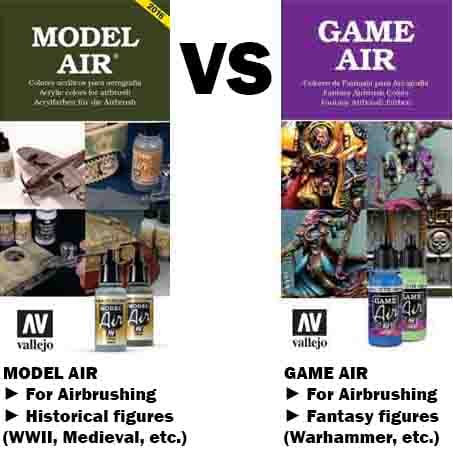
How to use Game Air airbrush paints: Shake well before using, and then place the paint directly into the airbrush paint cup straight out of the bottle or slightly diluted with Vallejo 71261 airbrush thinner. The colors can be mixed in the airbrush to achieve mid-tones. Game Air paints dry almost instantly, so you can proceed straight away into applying additional washes, pigments, dry brush techniques, etc.
Using Game Air colors with airbrush: Game Air colors have the fluidity required to work with airbrushes up to 0.2 mm nozzle size without diluting them. The manufacturer recommends working with a compressor pressure of 10-15 PSI or 0.75-1.10 Bar (0.5-1 kgs).
Game Air colors come in boxes as you can see below:

Paint kit includes 51 colors, 8 primers and 5 auxiliaries. It also comes with an 85ml airbrush cleaner.

Paint kit Includes 28 Game Air acrylic colors, an airbrush thinner and an airbrush cleaner, plus a Harder & Steenbeck Ultra airbrush, a 2.5m quick connection compressor hose and a color chart.
This paint kit includes everything except the air compressor. To see what airbrush compressor to buy for models and miniatures, check out this post:

Here you can see the full color chart of the range of Vallejo Game Air airbrush paints for fantasy figures.
Model Paints for brush-on application
Up until now we have been talking about airbrush model paints. But what about traditional brush-on type of paint?
Here we are going to describe the most interesting products for model painting with a brush.
Model Painting Kits, for Brush-on application: Vallejo Model Color

Vallejo’s Model Color range is the largest range of acrylic model building paints in the market, hence we thought it deserves a fully dedicated section.
Model Color paints are have high covering power and lightfastness, so that they do not fade over time. This range of paints includes opaque colors (most of them) and also transparent and fluorescent colors.
Model Color paints have good consistency so the application is smooth and leaves no brush strokes. They can also be used to apply several thin coats and glazes, by simply diluting paints with some water or diluent.
These are water-based paints, so they are not toxic, quite safe, and not flammable. Painting mistakes can be easily corrected with a little water or alcohol.
They also dry very quickly. The paint dries to the touch in a few minutes, but gradually continues to dry for several days, so that several weeks after painting the model it gets to its maximum resistance. Once the paint is dry, it is waterproof and permanent.
Colors come in bottles of 17 ml with eyedropper, in boxes of 8, 16 or 72 units.
Here you can see the Color chart of Vallejo Model Color.
► Vallejo Model Color 8-color paint sets
These are 8 color paint kits to paint models and miniatures (for brush-on application). Each box has a selection of specific colors to paint vehicles, figures, etc. In each pack you get 8 bottles of 17 ml. with eyedropper.
These are good for small model painting projects, although the 16-packs further down are probably more versatile and better value.
Here you can choose your colors:


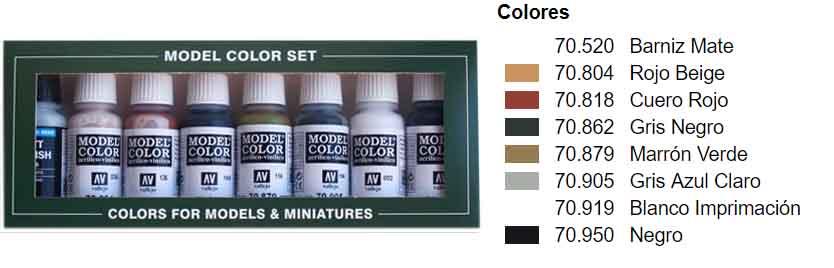
► Vallejo Model Color 16-color paint kits
These are 16 color paint kits for models and miniatures (for brush-on application). Each pack contains 16 bottles of 17 ml. with eyedropper, and as you can see below the choice of colors is huge.
Choose the colors of your 16-pack:


In this link you can see the exact colors in each box.
►Vallejo Model Color 72-color pack and carry case
If you are ready to go all-in with these paints, Model Color has 72-color paint kits in a convenient carry case. Each of the kits includes a huge range of colors to paint vehicles, figures, etc. plus a set of brushes for model painting. These kits include pretty much all the paints you will ever need for model painting.
There are three options for the 72-color boxes: Basic, Military or Combined.
► Full-fledged Paint Kit recommendation for models and miniatures:
Superb Paint Kit for models and miniatures

►Vallejo special "War Games" Series for models and miniatures
This special range of colors are specially designed to paint infantry and vehicles from the 2nd World War. Since these are part of Vallejo Model Color range, they are intended for brush-on application.
The way these paints work is, you buy the "Basic Infantry Set" (which includes 8 basic colors) and then combine it with some other box of your choice, adding an extra 6 specific colors to the paint set. Say you want to paint a US army or squadron, then you would get the Basic Infantry Set plus a US Infantry box, and so on. With this system you can paint any 2nd World War army.


Here you can see the exact colors you get in each box.
► Vallejo Model Color Special Paint Kits for models and miniatures
Now, these boxes are intended for special effects and specific surface finishes. This means that these are specific colors to hone in on the details of your models even more.
For example, you may choose the Waffen-SS Camouflage paint set in order to add extra camouflage patterns on previously painted infantry models and figures where you have already stablished the base colors.
Or you may choose the winter weathering set to add that extra winter appearance to some of your vehicle models.


Here you can see the specific colors included in each box.
Model Paints for Fantasy Figures, brush-on application
In this section we will analyze several reputable paint options for painting fantasy figures, for brush-on application.
Vallejo Game Color
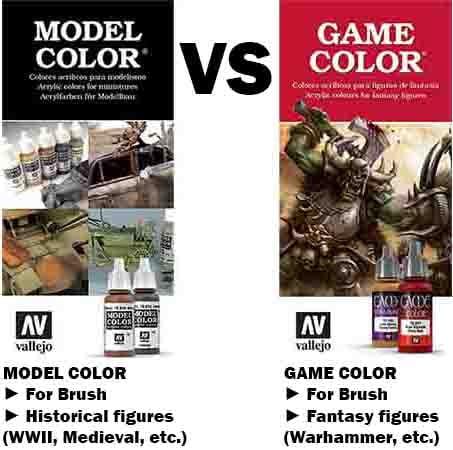
Vallejo Game Color are acrylic paints specifically for painting fantasy figures using the brush-on technique. To avoid confusion, remember that Game Color paints are for brush-on application whereas Game Air paints are for airbrush.
Apart from that, what is the difference between Game Color and Model Color? (yes, the names they have used are not particularly useful). The difference is that Game Color paints are designed specifically for fantasy figures such as Warhammer 40.000, Warhammer Fantasy, Age of Sigmar, Infinity, etc., whereas Model Color paints are oriented to more historical models such as 2nd World War, Middle Ages, Roman Empire, etc.
For that reason, Game Color palettes include brighter and more vivid colors, often used in fantasy figures, while Model Color paints are usually more sober and realistic colors, earth tones, khaki greens, actual military uniform tones, etc.
Here you can see the color chart for Game Color paints and the color chart for Model Color paints, so you can see the difference for yourself. The colors are more vivid and saturated in Game Color paints than in Model Color paints.
In addition, the Game Color range of paints is designed to adhere to plastics and metals, as many of these fantasy miniatures are made of lead or, more recently, white metal.
So, here is a summary just to make things clear:
- Vallejo Model Color = paints for models and miniatures, for brush-on application, designed for historical models and miniatures (2nd World War, Middle Ages, etc.)
- Vallejo Game Color = Same thing but specific for fantasy figures (Warhammer 40K, Warhammer Fantasy, etc.)
And then, there is the equivalent paints formulated for airbrush use:
- Vallejo Model Air = Paints for models and miniatures, for airbrush use. Oriented to historical models and figures (2nd World War, Middle Ages, etc.)
- Vallejo Game Air = Same thing, also for airbrush, but oriented to fantasy figures.
Remember that if you have any questions you can ask on our support area below. We reply to all comments.
► Vallejo Game Color 8-color paint sets


► Vallejo Game Color 16-color boxes


► Vallejo Game Color special paint boxes


► Vallejo Game Color 72-color pack and carry case
If you are looking to be fully equipped for fantasy miniature painting, Game Color also offers its own 72-color paint kits in a convenient carry case. These kits include a huge range of colors to paint fantasy figures, elves, dragons, space marines or whatever your army is about, plus a set of brushes for model painting.
These kits include pretty much all the paints you will ever need for model painting.
► Possibly the gift that every fantasy miniature painting fan dreams about:

Best paint kit out there for fantasy miniatures
Citadel Paints
Citadel paints are Games Workshop's official model paint brand. They are a well-known brand in the world of fantasy miniature painting.
Like many of the products from the British company, Citadel paints has both fundamental advocates and entrenched detractors.
Are Citadel paints worth buying?
If we look at price alone, they answer is no. Compared to other paints like Vallejo Game Color, Citadel paints are expensive. You can see this by yourself by just doing some simple math:
- A Vallejo Game Color 16-paint basic colors box costs around $35, and it includes 16 bottles of 17ml. Each 17ml bottle costs $2.19, which means each ml of paint costs you 0.13 $/ml.
- A Citadel Base paint 12ml bottle costs around $4.55 in the official GW store (even though it can cost up to $6.10 depending on the color, such as "retributor armor" color). Therefore, at $4.55 per 12ml bottle, you are paying 0.38 $/ml. If we look at the Base Paint Collection pack that you can buy from the GW store, this costs $242.70 and it includes 53 pots of 12ml. Do the math and this works out to 0.38 $/ml again.
- If we include the "The Army Painter" paints in the comparison, then the difference becomes even more noticeable. Buying The Army Painter 50 paints set which includes 50 bottles of 18ml, then each 18ml bottle costs around $1.83, which means the cost per ml of paint is 0.10 $/ml.
- Conclusion: Citadel Base paints are about three times as expensive as Vallejo Game Color and The Army Painter.
Now you might be thinking... "Wait! But this is so because you have compared individual Citadel bottles against full paint sets of Vallejo and The Army Painter!" But no, if we look at the price for various Citadel paint packs that you can get on the official Games Workshop website and calculate the price per bottle and the price per ml of paint, we see again and again that Citadel paints are pricier than Vallejo or The Army Painter, even when bought in packs of 24 or 51 colors.
Do Citadel paints offer any advantage?
We are not saying that Citadel paints are not decent paints to paint your army, we are just saying they are a bit pricier. But sure they do offer some decent paint quality, plus they offer official Warhammer colours.
One point in favour of Citadel paints is that colors come already prepared for you so you don't need to mix if you don't want to. For example, you can buy the exact "Retributor Armor" color already mixed to paint your miniature's armor. This can be good or bad, it depends on one's taste.
For some modellers this may be an advantage while others may not see it as such. Many fans of miniature painting consider that part of the fun when painting miniatures is mixing colors, controlling paint and water proportions, etc. Others prefer the convenience of getting the paints already prepared.
Another possible advantage of Citadel paints is that Games Workshop has divided Citadel paints in different types of paints such as:
- Spray. Spray primer.
- Base. As its name suggests, the base color that is painted on the primed miniature.
- Shade.
- Layer.
- Dry (for dry brush effect).
- Glaze (for transparencies and vitrified effects).
- Edge (to paint and enhance edges).
- Technical (to create special effects such as rust, corrosion, cracks or blood).
- Texture (textured paint to paint bases).
- Air. It is the range of Citadel paints optimized to paint with an airbrush.
Where can I buy Citadel paints cheaper than on the official Games Workshop store?
If you are going to buy Citadel paints, you should know that the best prices are not always available on the official Games Workshop store. Their online store is very nice and easy to navigate, but you can often find the same products even cheaper in other online stores such as Amazon.
- Here you can see the price of Citadel Base paints in the official Games Workshop Store
- Here you can see the price of the same Citadel paints on Amazon (you may be surprised to see which is cheaper).
You just have to compare prices and choose the best one for your needs.
The Army Painter

Curiosity: The Army Painter was created by former Games Workshop employees who were fans of miniature games and wanted to spend more time playing than painting miniatures.
The Army Painter is a painting system for miniature armies designed with the aim of making the painting process as quick as possible.
Their slogan is "GET MORE TIME FOR GAMING" because their 4 step painting system is designed to paint large armies as quickly and effectively as possible.
The Army Painter is quite different from the philosophy of Citadel paints. Citadel paints are divided into many types of paints (9 kinds of paint from primer to base paint), while with The Army Painter only 4 steps are used: primer, base colors, "QuickShade" varnish which was invented by The Army Painter, and finally a matte varnish spray.
The system works in 4 steps, of which the third is the "special" ingredient of The Army Painter. The 4 steps are as follows:
- Priming. A primer applied out of a spray can, nothing out of the ordinary here.
- Base colors or "Warpaints" and washes.
- The Army Painter "special" step: immersing the miniature (yes, immerse it completely except the base) in a special varnish called "Quickshade", then shake the miniature vigorously to remove any varnish excess so that it only remains in the deeper areas of the surface, producing the desired shading effect "automatically".
- Finally, apply a matte varnish spray to remove the gloss.

[ Mega-paint set of 50 The Army Painter warpaints here you can get it ]
The advantage of the The Army Painter method of immersing the miniatures in "Quickshade" varnish is that it saves time and it allows you to paint large armies with a fairly good quality in less time than using just brushes. The disadvantage is that when shaking the miniatures to remove excess varnish, splashes may occur, so you need to do it in a place where you do not have to worry about splashes, like a workshop or an outdoor space.
It is also true that it is not mandatory to use the Quickshade varnish step, and you can simply use The Army Painter paints in the traditional painting style if you want.
Many fans who have tried The Army Painter speak well of it; as paints for fantasy figures, it has a good range of colors and good consistency. The Army Painter paints can be used with either a brush or an airbrush.

[ "Quickshade" special varnish for The Army Painter, here you can buy it ]
Here you can download the step by step guide to use The Army Painter paints and the Quickshade varnish.
In short, The Army Painter brings simplicity with good results. The color range is smaller than with Vallejo or Citadel, but you can always mix colors, so if you buy the set of 50 warpaints you will not have any issues.
The best thing about The Army Painter is that they are cheaper paints, especially if you buy the 50 paints mega set, where each 18ml bottle works out to around $1.80 which is a pretty good price.
Tamiya paints: Another good brand of airbrush paint for model building.
Tamiya is undoubtfully one of the most reputable brands in the world of model building.
Tamiya acrylic paints are called by the letters X-XF, they are based on a water-soluble resin and they can be used both with brush or with airbrush. They have to be diluted with Tamiya X-20A acrylic thinner.
Tamiya enamel paints are also called by the letters X-XF (hence the confusion around these paints). These have to be dulited with its corresponding Tamiya X-20 thinner and they are definitely high quality model paints.
Furthermore, the Tamiya paints from the TS and AS series are synthetic lacquer paints in spray, which are widely used to create uniform, bright and durable base colors in model cars and aircraft. The AS series in particular is specifically designed to paint aircraft models.
Tamiya acrylic paints (for airbrush and brush)

The X-XF series of Tamiya paints (acrylics) can be used both with brush and with airbrush.
Tamiya acrylic paints are based on a water-soluble resin and offer a very good quality for both brush and airbrush model painting. They can be used on resin, foam, wood, plastic models, glass and metal. The paint is quite opaque, flows it well and the colors can be mixed together.
Each pot contains 23ml of paint (although there is a "Mini" version which contains 10ml of paint per pot). There is a wide range of colors with a glossy finish (the ones designated by the letter X), matte tones (designated by the letters XF) and translucent (some references such as the X-26 are translucent). Mind you, the X-XF references are also used for Tamiya enamel paints, so the way to tell the difference is to look at the shape of the container (a round pot for acrylics and a square one for enamels).
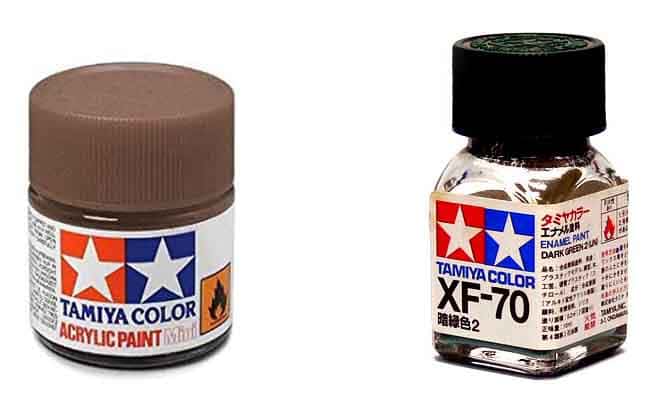
Tamiya Acrylic Vs Enamel model paints
The surface to be painted should be clean, if possible, previously washed with warm water and some detergent or soap. For the best paint adherence, it is recommended to apply first a coat of primer on the surface before painting with colors.
An important note on Tamiya acrylic paints dilution. When diluting them, it is recommended to use the specific Tamiya X-20A thinner. This is important and particular to Tamiya acrylic paints because their formulation is slightly different from other acrylic paints so not all solvents will work in this case. A little alcohol may work, but it is best to use the Tamiya X-20A acrylic thinner.
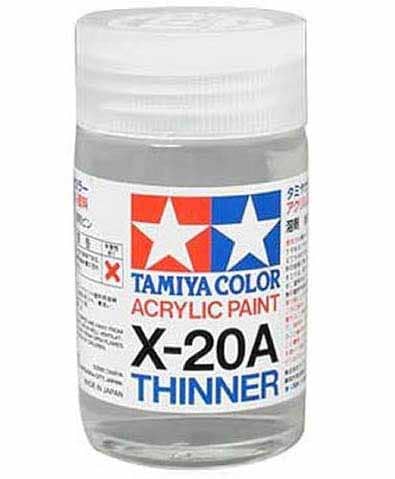
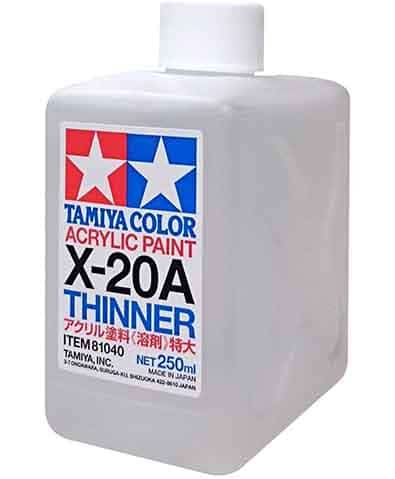
Do some paint tests on a surface before painting, to regulate the viscosity of the paint, until achieving the correct fluidity without lumps. If it is too thick, add some thinner to make it more fluid so the paint can flow well through the airbrush and so it won't produce splashes. Also make sure to regulate the airbrush pressure properly, if the pressure is too low it can cause drops and splashes or the paint may come out irregularly.

[ Here you can buy Tamiya X-XF acrylic paints ]
Here you can see all the Tamiya acrylic paint color chart and the reference of each color:
- Tamiya acrylic paint color chart: Gloss (23ml) | Gloss (10ml) | Matte (23ml) | Matte (10ml)
- Here you can buy Tamiya acrylic paints.

Tamiya enamel paints are also a classic in the world of modelling. These paints can also be used with a brush or with airbrush.
The colors are also identified by the references X-XF (X for glossy colors and XF for matte colors) so that this can lead to confusion with the acrylic ones, but again the way to tell the difference between them is the shape of the bottle (round for acrylic and square for enamels).
Tamiya enamels can be applied on plastic models, metal or wood. It is recommended to dilute them with 2 drops of thinner per 1 drop of paint. The right solvent to use with Tamiya enamels is Tamiya X-20 enamel solvent (not to be confused with the X-20A which is for acrylic paints). Yes, Tamiya references are a bit convoluted but there you go.
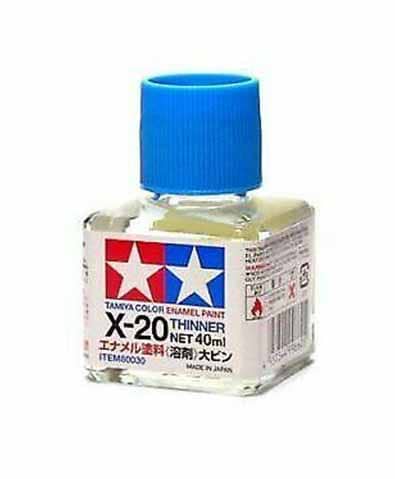
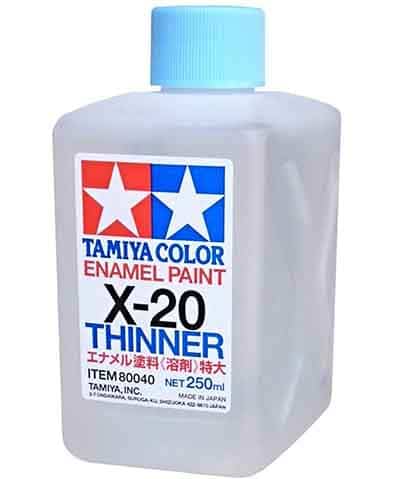
Here you can see all Tamiya enamel paint color chart and the exact reference number of each color:
- Tamiya enamel paints color chart: Gloss | Matte
- Here you can buy Tamiya enamel paints for model building.
Tamiya synthetic lacquer paints
To finish up with Tamiya model paints, let’s talk about the synthetic lacquers of this brand.
Here we must distinguish two ranges of synthetic lacquers for model building that Tamiya offers to model building lovers.
On one side there is Tamiya's synthetic lacquers in spray, called by the TS and AS letters (AS is the specific series of lacquers for aircraft models), and on the other side we've got Tamiya's synthetic lacquer in bottle format (to be applied with brush or airbrush) is called by the letters LP.
Tamiya synthetic lacquer in spray (TS series)

The TS series comes in 100 ml spray cans and is especially appropriate for covering large surfaces. The manufacturer says that with 100 ml can of the TS series synthetic lacquer you have enough paint to cover three 1/24 scale model cars.
- Here you can see the full color chart of TS series synthetic lacquers
- Here you can buy Tamiya TS series synthetic lacquers for models
Tamiya synthetic Lacquer in spray (AS series - specific for aircraft models)

The AS series is also a Tamiya synthetic lacquer that comes in 100 ml spray cans, but this one differs from the TS series in that the AS series is specifically intended for painting aircraft models. Tamiya recommends this type of paint to paint model airplanes of 1/32 or 1/48 scale.
- Here you can see the full chart of available colors.
- Here you can buy Tamiya AS spray lacquer for model airplanes
Tamiya synthetic bottled lacquer (LP series - for airbrush or brush)
Finally, we come to the LP series of Tamiya synthetic lacquers. In this case, the LP series comes in a bottle format and it can be used with brush and with airbrush. Since it comes in a bottle rather than in spray can, this lacquer can be used for both large surfaces and small details.
- Here you can see the full color chart
- Here you can buy Tamiya LP series lacquer for brush or airbrush
Questions about model paints for cars, tanks, airplanes or miniatures (or anything else really)
If you have any questions you would like to get help with, leave a comment in our support area, and we will respond as soon as possible. We answer all enquiries you may have about model paints, what paint to choose, where to buy specific model paints, etc.
Want to know which is the Best Airbrush for Modelling and the Best Compressor?
Do you know the ritual that must be done after every airbrush painting session?
 (3 votos, promedio: 5.00 de 5)
 Loading...
Need Help? Write a comment and we will get back to you with personalized assistance for you.
I am getting back into model making after being away from it for years. Wow a lot of new tech!
Question : What is the general painting product / process for tissue paper planes (for display).
Hi Glen, thanks for your comment and glad you are back to model making. Unfortunately I cannot give you a specific recommendation of paints for tissue paper planes since I don’t have much experience with that type of models in particular. I encourage our readers to leave their recommendations here if anyone has experience with this. Thanks.